Chinese lacquer art is an ancient intangible cultural heritage craft that has endured for over 8,000 years without interruption in China, and it is also the sole origin of the world's lacquer civilization. Unlike modern chemical paints, natural lacquer is derived from the raw sap of the lacquer tree. Through multiple layers of brushing, natural air-drying, and hand-polishing, it acquires a uniquely warm, translucent texture, while also being waterproof, anti-corrosive, and exceptionally durable. It embodies the ancient Eastern wisdom of drawing from nature and passing on artistry through craftsmanship.
Lacquer art first emerged during the Neolithic Age some 8,000 years ago. The unearthed red-lacquer wooden bowl from the Hemudu culture site confirms the earliest known application of lacquer in China. During the Shang and Zhou dynasties, the classic aesthetic system of profound black and vermilion red was established, elevating lacquerware from practical utensils to ritual treasures of the nobility, thereby setting the refined and dignified tone that defines Chinese lacquer art.
The period from the Warring States to the Qin and Han dynasties marked the first golden age of lacquer art, when lacquerware largely replaced bronze vessels. Core techniques such as rhinoceros-skin (xiangpi) lacquer, bodiless lacquer (jia zhu), and gold tracing with inlay reached increasing maturity. With diverse forms and vibrant decorative motifs, lacquerware became the mainstream craft for daily use and display, while also initiating early external trade and cultural exchange. In the prosperous Tang Dynasty, thanks to the flourishing Silk Road, sophisticated techniques such as mother-of-pearl inlay and gold-and-silver flat inlay (pingtuo) shone brilliantly. Lacquer pieces became magnificent, opulent, and gracefully grand, and were exported in large quantities overseas, earning Eastern lacquer art a worldwide reputation and establishing it as a core artistic symbol of Sino-foreign cultural exchange.
During the Song and Yuan dynasties, lacquer art shed the flamboyance of the High Tang and aligned itself with the refined, understated aesthetics of the literati. It became simpler, more warm and moist, and more introspective in mood, while craftsmanship grew increasingly meticulous and precise. This period laid the aesthetic foundation for modern plain lacquer and rhinoceros-skin lacquer. The Ming and Qing dynasties represented the pinnacle of lacquer art, a great synthesis of all preceding achievements. Various techniques were comprehensively innovated, and regional schools flourished. Among them, Fuzhou bodiless lacquerware earned a place among China's Three Treasures of Crafts. Renowned for its lightness, sturdiness, and lustrous sheen, it became a treasured imperial court item and a highly sought-after Eastern artisanal product overseas, greatly esteemed by Western aristocrats.
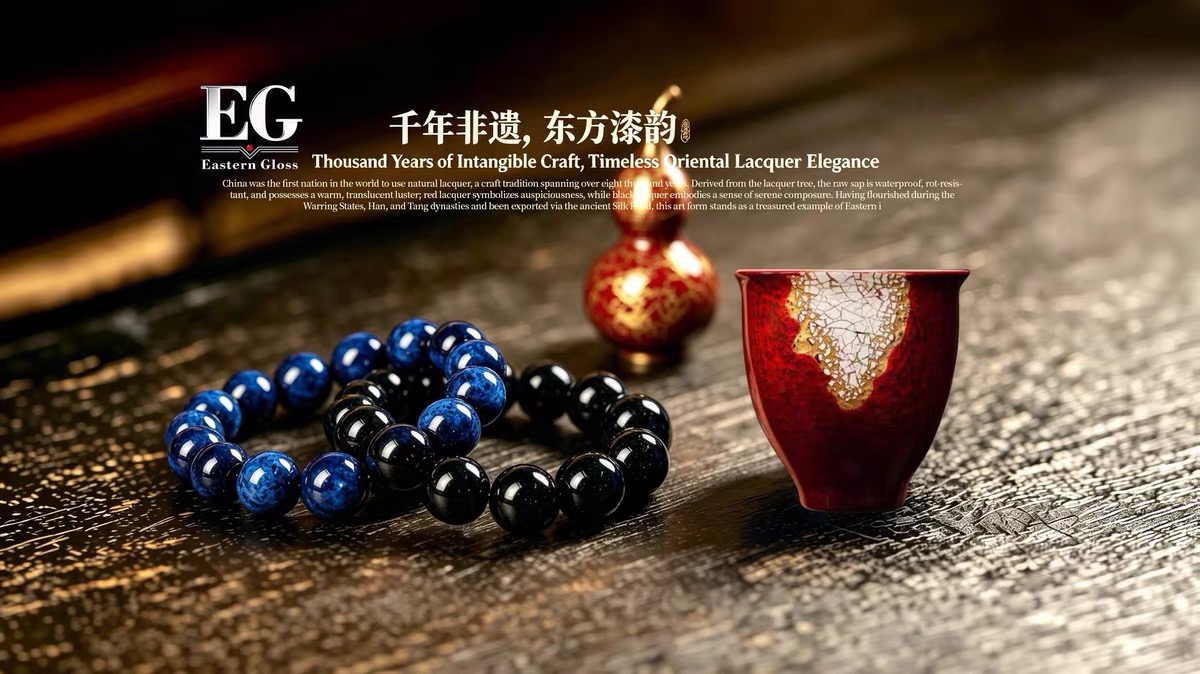
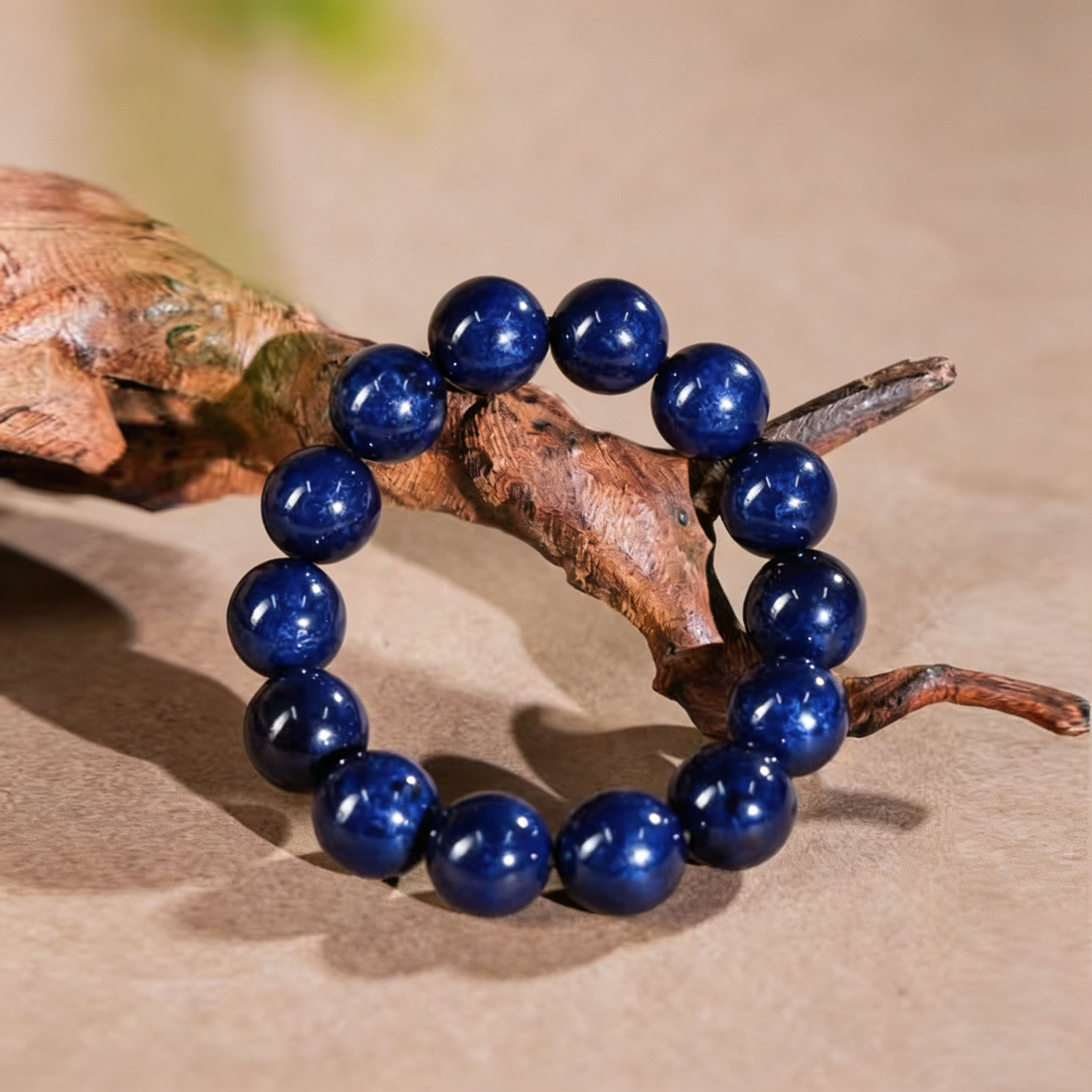
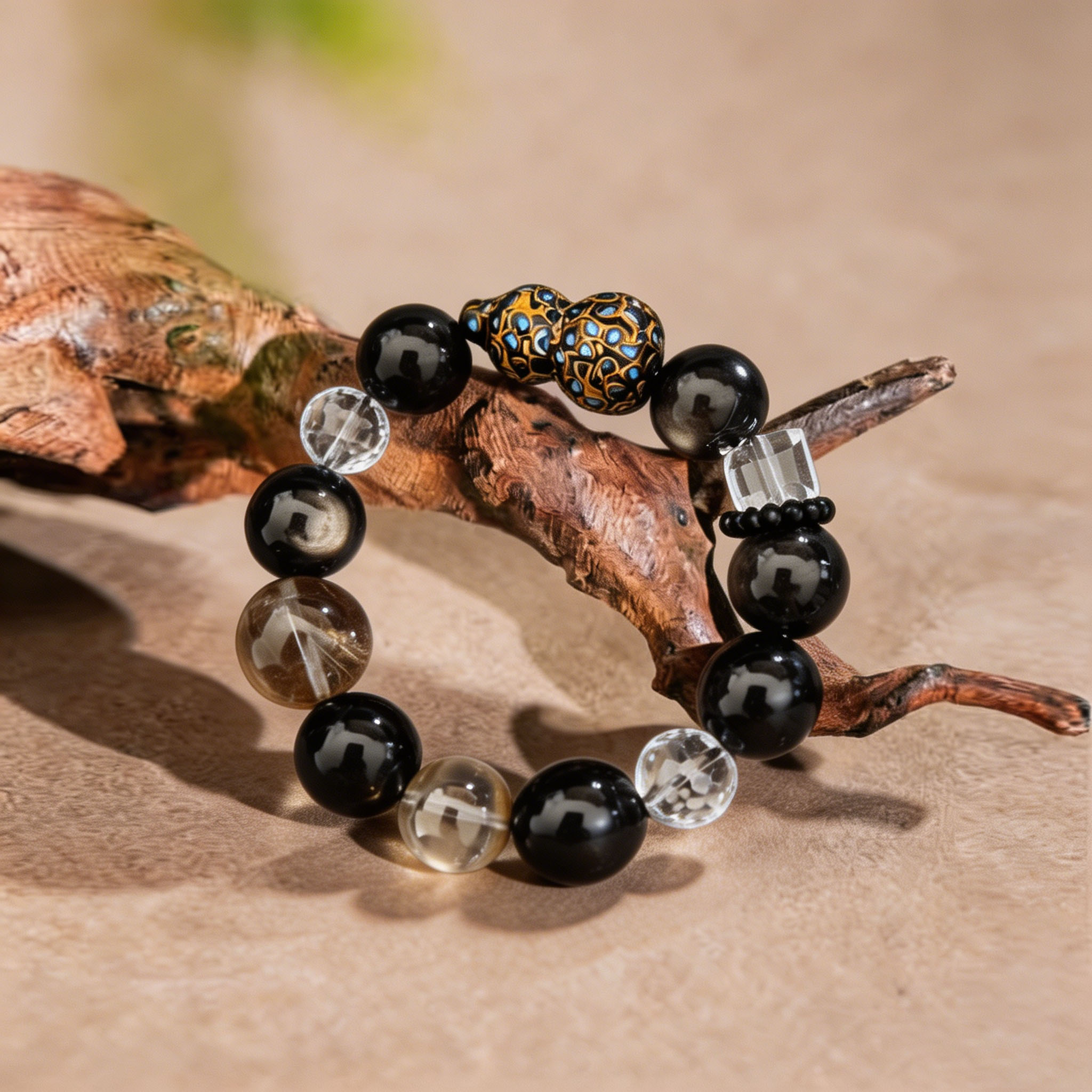
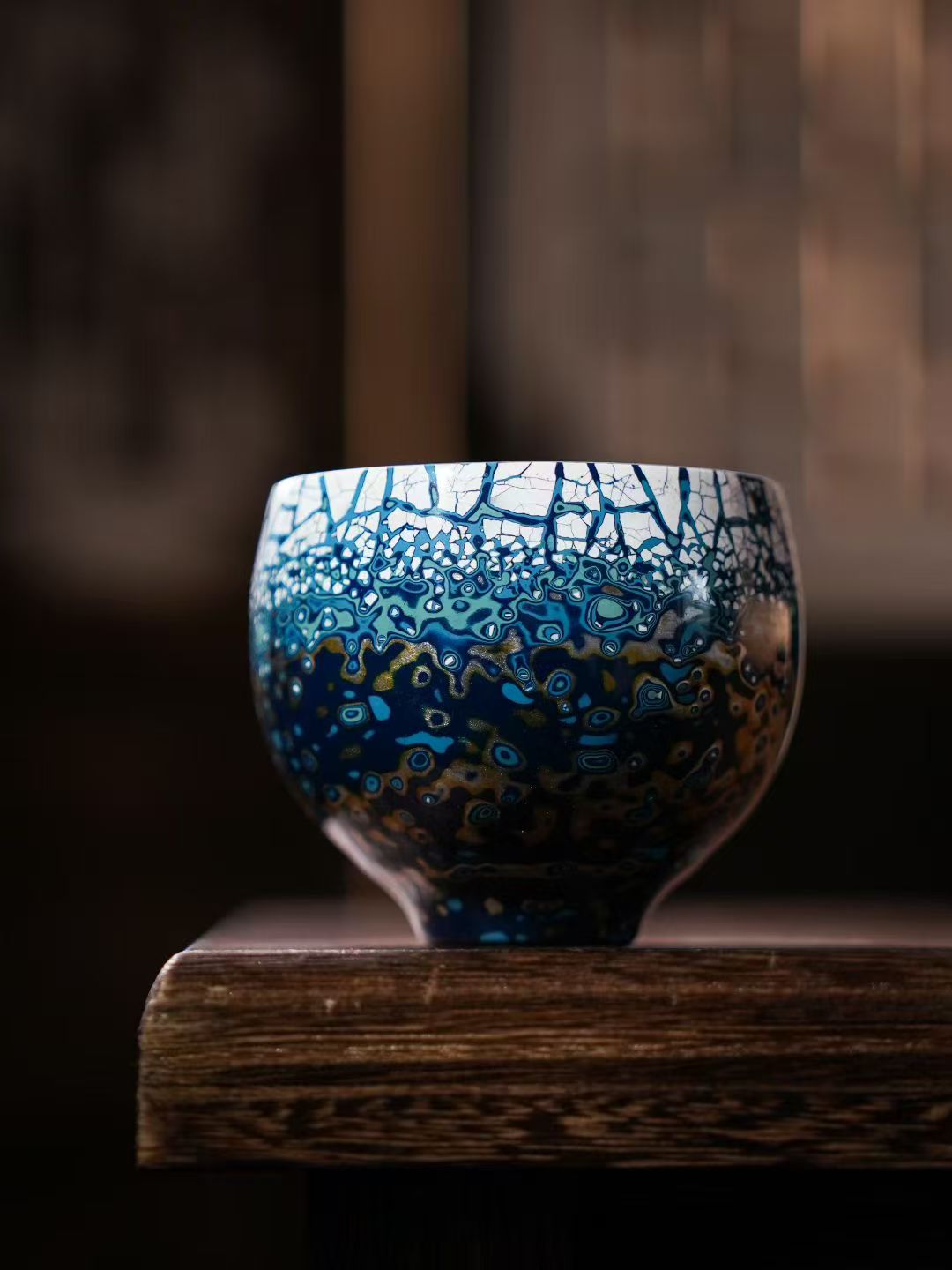
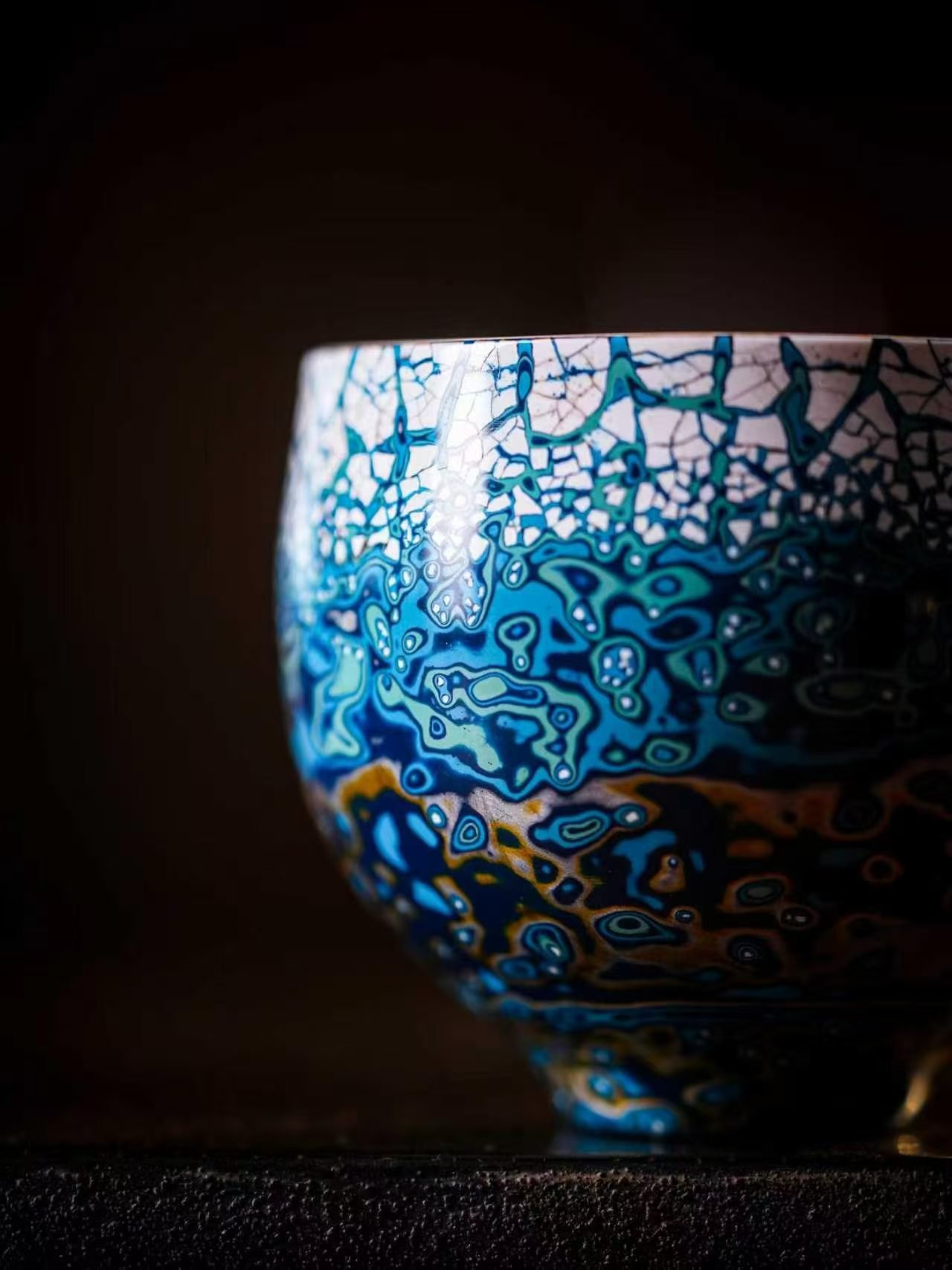
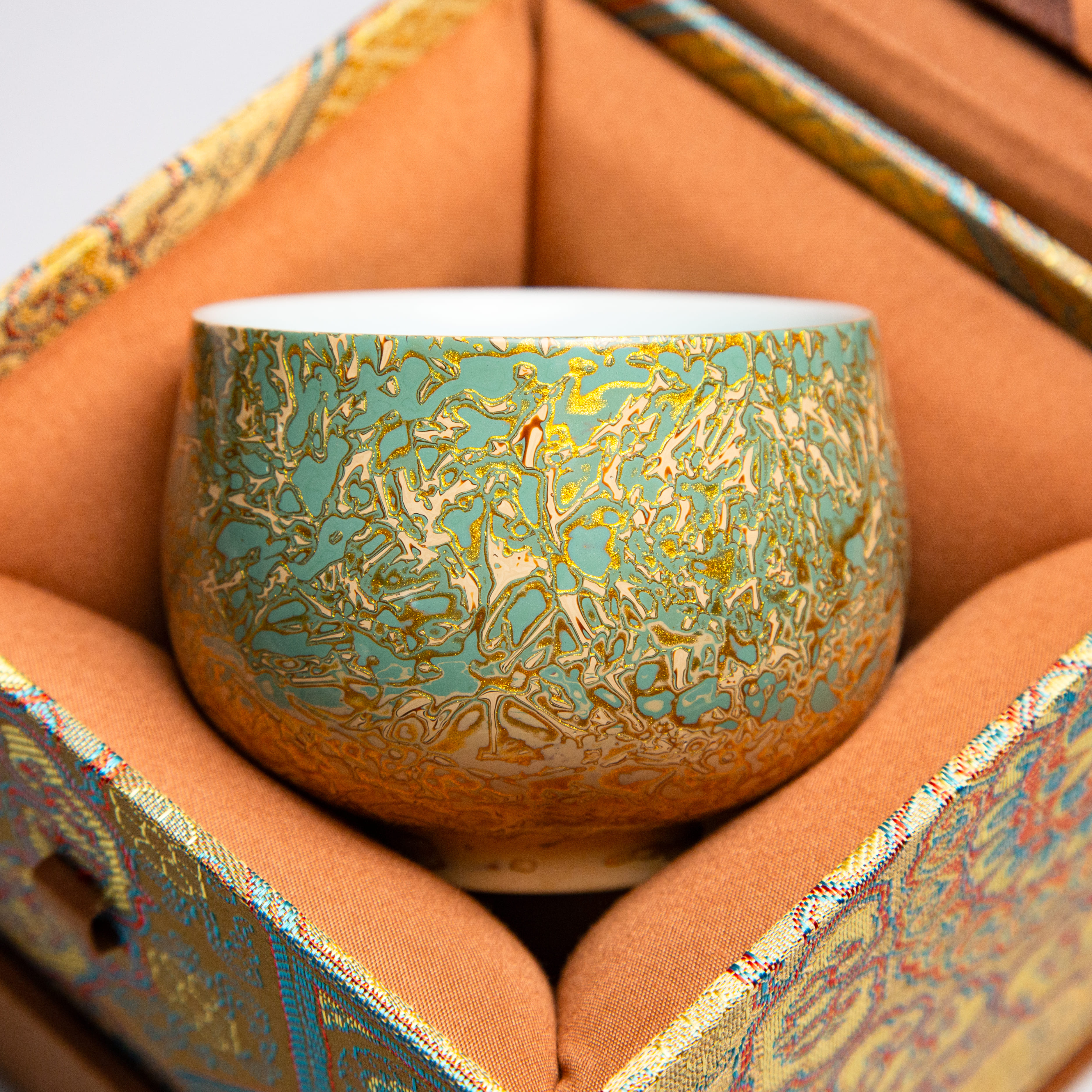
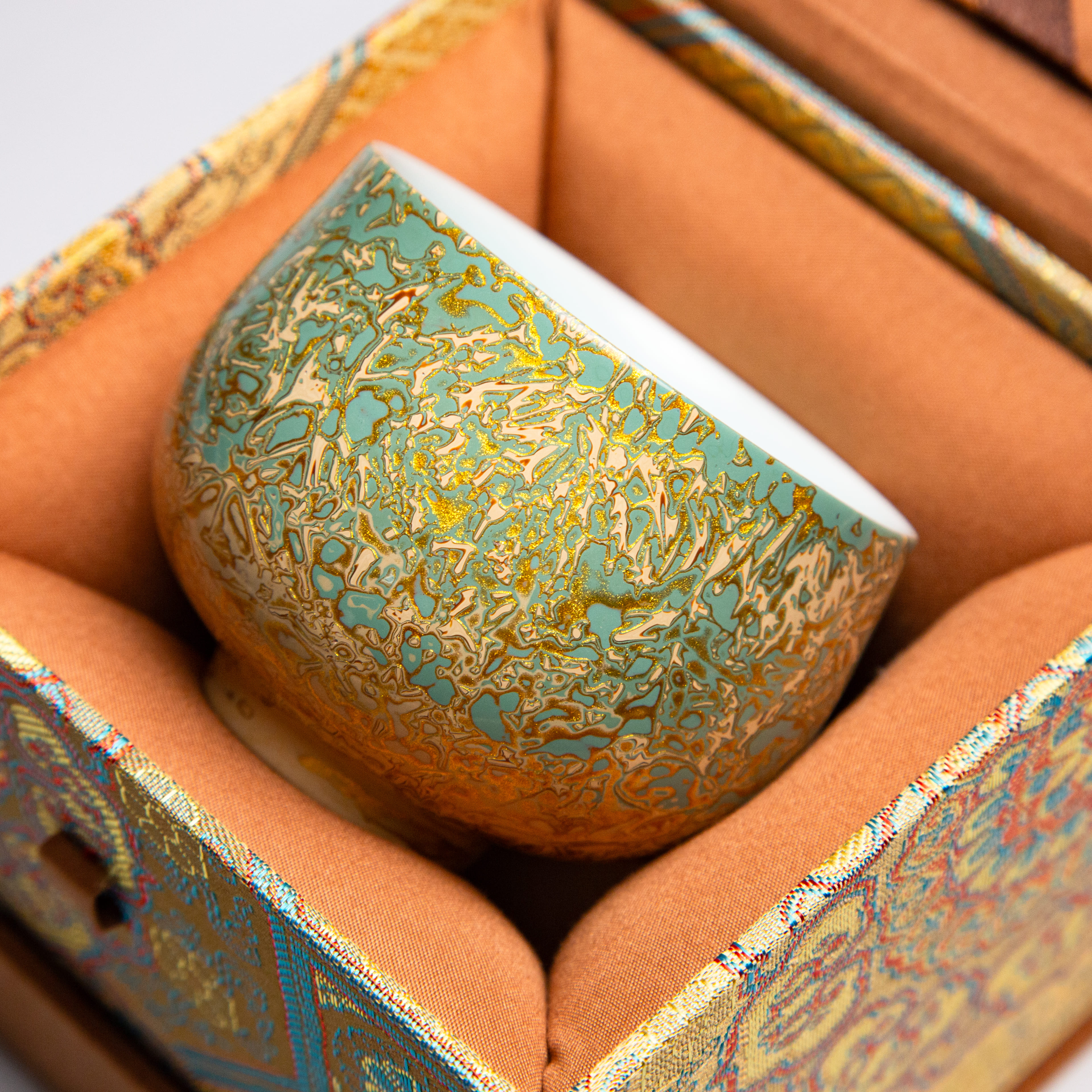
Today, the thousand-year-old lacquer craft has been inscribed as a national-level intangible cultural heritage. Contemporary artisans adhere to traditional all-handmade processes, forgoing machine mass-production, and carry forward the age-old techniques of multi-layer coating and fine polishing. This ancient craft has broken through the boundaries of traditional utensils, integrating modern minimalist aesthetics to give rise to a diverse range of works, including prayer-bead bracelets, tea ware, and ornamental objects. Each piece of lacquerware possesses a one-of-a-kind, irreplicable texture, carrying not only 8,000 years of Eastern cultural heritage and auspicious blessings but also offering high value in terms of appreciation, wearability, and collectibility. Thus, this intangible cultural heritage of lacquer artistry, spanning millennia, continues to be revitalized in contemporary life.
Chinese lacquer art is an ancient intangible cultural heritage craft that has endured for over 8,000 years without interruption in China, and it is also the sole origin of the world's lacquer civilization. Unlike modern chemical paints, natural lacquer is derived from the raw sap of the lacquer tree. Through multiple layers of brushing, natural air-drying, and hand-polishing, it acquires a uniquely warm, translucent texture, while also being waterproof, anti-corrosive, and exceptionally durable. It embodies the ancient Eastern wisdom of drawing from nature and passing on artistry through craftsmanship.
Lacquer art first emerged during the Neolithic Age some 8,000 years ago. The unearthed red-lacquer wooden bowl from the Hemudu culture site confirms the earliest known application of lacquer in China. During the Shang and Zhou dynasties, the classic aesthetic system of profound black and vermilion red was established, elevating lacquerware from practical utensils to ritual treasures of the nobility, thereby setting the refined and dignified tone that defines Chinese lacquer art.
The period from the Warring States to the Qin and Han dynasties marked the first golden age of lacquer art, when lacquerware largely replaced bronze vessels. Core techniques such as rhinoceros-skin (xiangpi) lacquer, bodiless lacquer (jia zhu), and gold tracing with inlay reached increasing maturity. With diverse forms and vibrant decorative motifs, lacquerware became the mainstream craft for daily use and display, while also initiating early external trade and cultural exchange. In the prosperous Tang Dynasty, thanks to the flourishing Silk Road, sophisticated techniques such as mother-of-pearl inlay and gold-and-silver flat inlay (pingtuo) shone brilliantly. Lacquer pieces became magnificent, opulent, and gracefully grand, and were exported in large quantities overseas, earning Eastern lacquer art a worldwide reputation and establishing it as a core artistic symbol of Sino-foreign cultural exchange.
During the Song and Yuan dynasties, lacquer art shed the flamboyance of the High Tang and aligned itself with the refined, understated aesthetics of the literati. It became simpler, more warm and moist, and more introspective in mood, while craftsmanship grew increasingly meticulous and precise. This period laid the aesthetic foundation for modern plain lacquer and rhinoceros-skin lacquer. The Ming and Qing dynasties represented the pinnacle of lacquer art, a great synthesis of all preceding achievements. Various techniques were comprehensively innovated, and regional schools flourished. Among them, Fuzhou bodiless lacquerware earned a place among China's Three Treasures of Crafts. Renowned for its lightness, sturdiness, and lustrous sheen, it became a treasured imperial court item and a highly sought-after Eastern artisanal product overseas, greatly esteemed by Western aristocrats.
Today, the thousand-year-old lacquer craft has been inscribed as a national-level intangible cultural heritage. Contemporary artisans adhere to traditional all-handmade processes, forgoing machine mass-production, and carry forward the age-old techniques of multi-layer coating and fine polishing. This ancient craft has broken through the boundaries of traditional utensils, integrating modern minimalist aesthetics to give rise to a diverse range of works, including prayer-bead bracelets, tea ware, and ornamental objects. Each piece of lacquerware possesses a one-of-a-kind, irreplicable texture, carrying not only 8,000 years of Eastern cultural heritage and auspicious blessings but also offering high value in terms of appreciation, wearability, and collectibility. Thus, this intangible cultural heritage of lacquer artistry, spanning millennia, continues to be revitalized in contemporary life.